Building Scalable SaaS Products: Best Practices

Salman
August 13, 2026
Learn the best practices for building scalable SaaS products that can handle growth and high traffic without compromising performance.
Introduction to Scalable SaaS Products
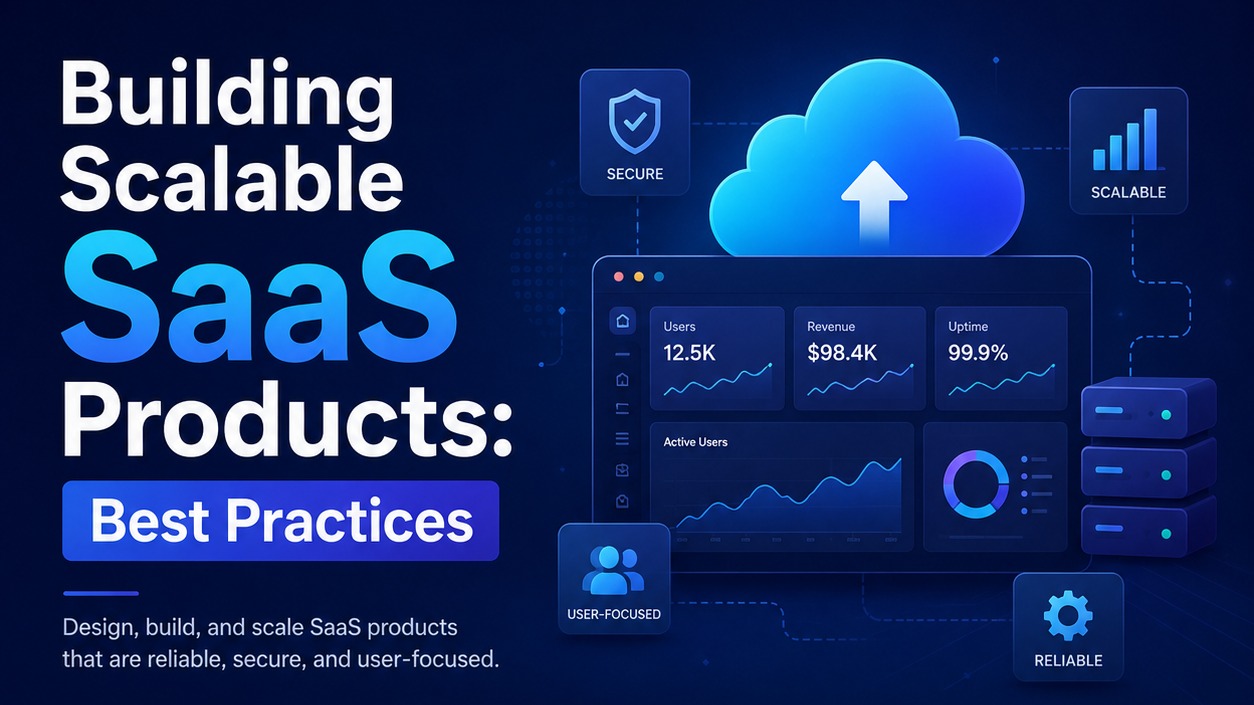
Building a successful SaaS (Software as a Service) product requires careful planning, design, and development. One of the key challenges that SaaS companies face is scaling their product to meet growing demand. A scalable SaaS product is one that can handle increased traffic, user growth, and data storage without compromising performance.
Benefits of Scalable SaaS Products
There are several benefits to building a scalable SaaS product, including:
- Improved performance and reliability
- Increased customer satisfaction and retention
- Reduced downtime and errors
- Enhanced security and data protection
- Better support for business growth and expansion
Best Practices for Building Scalable SaaS Products
Here are some best practices for building scalable SaaS products:
1. Design for Scalability from the Start
Designing for scalability from the start is crucial to building a successful SaaS product. This involves identifying potential bottlenecks and designing the system to handle increased traffic and user growth.
2. Use Cloud-Based Infrastructure
Using cloud-based infrastructure can help to reduce costs and improve scalability. Cloud providers such as AWS, Google Cloud, and Microsoft Azure offer a range of services and tools that can help to support scalable SaaS products.
3. Implement Load Balancing and Auto-Scaling
Load balancing and auto-scaling can help to distribute traffic and workload across multiple servers, improving performance and reducing downtime.
4. Optimize Database Performance
Optimizing database performance is critical to building a scalable SaaS product. This involves using efficient database designs, indexing, and query optimization techniques.
5. Monitor and Analyze Performance
Monitoring and analyzing performance is essential to identifying bottlenecks and areas for improvement. This involves using tools such as New Relic, Datadog, and Prometheus to monitor performance and identify issues.
Conclusion
Building a scalable SaaS product requires careful planning, design, and development. By following best practices such as designing for scalability, using cloud-based infrastructure, implementing load balancing and auto-scaling, optimizing database performance, and monitoring and analyzing performance, SaaS companies can build products that can handle growth and high traffic without compromising performance.